When it comes to the world of wine, it can often be difficult to navigate. Many production methods exist to classify a wine based on how it is made and the products used.
Labels are used to inform the public through distinctive pictograms. Each label helps identify and guarantee the production standards of each wine.
To help you understand and differentiate these many classifications, L.O Wine explains the difference between organic wine, biodynamic wine, and natural wine.
https://www.youtube.com/watch?v=o3OozX-dNRw
Environmental wines, also known as organic wines
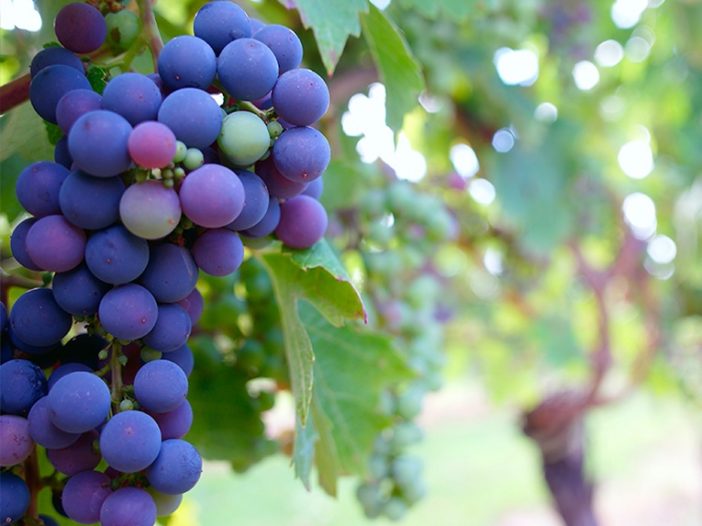
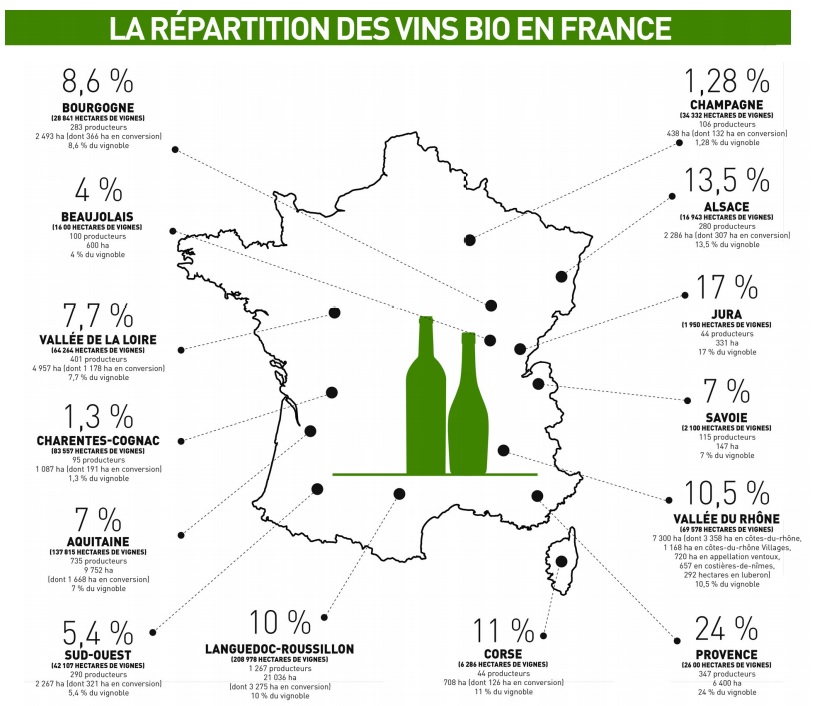
Organic wines are represented by two labels: the green leaf and the AB symbol. To be classified as organic, a wine must comply with a strict set of regulations. Producers commit to following these standards and are subject to inspections in order to use these logos on their bottles.


Biodynamic wine, an approach inspired by homeopathy
When we talk about biodynamic wine, its cultivation is inspired by homeopathy in medicine. This method focuses on prevention rather than cure for the vine.
Plant-based treatments are diluted and regularly distributed throughout the vineyard. The goal of this approach is to strengthen the vine and protect it against potential diseases.
Once again, the use of Bordeaux mixture is allowed in biodynamic viticulture, although the dosage is slightly lower than that used for organic wines. To obtain the Biodyvin or Demeter label, strict compliance with a detailed set of guidelines is required. Quality controls are carried out to ensure that all rules are rigorously followed.
Natural wine, a term that has emerged in recent years
A natural wine is a wine that does not benefit from any regulated label. The term was introduced by the Vin Méthode Nature collective and represents a code of good practice.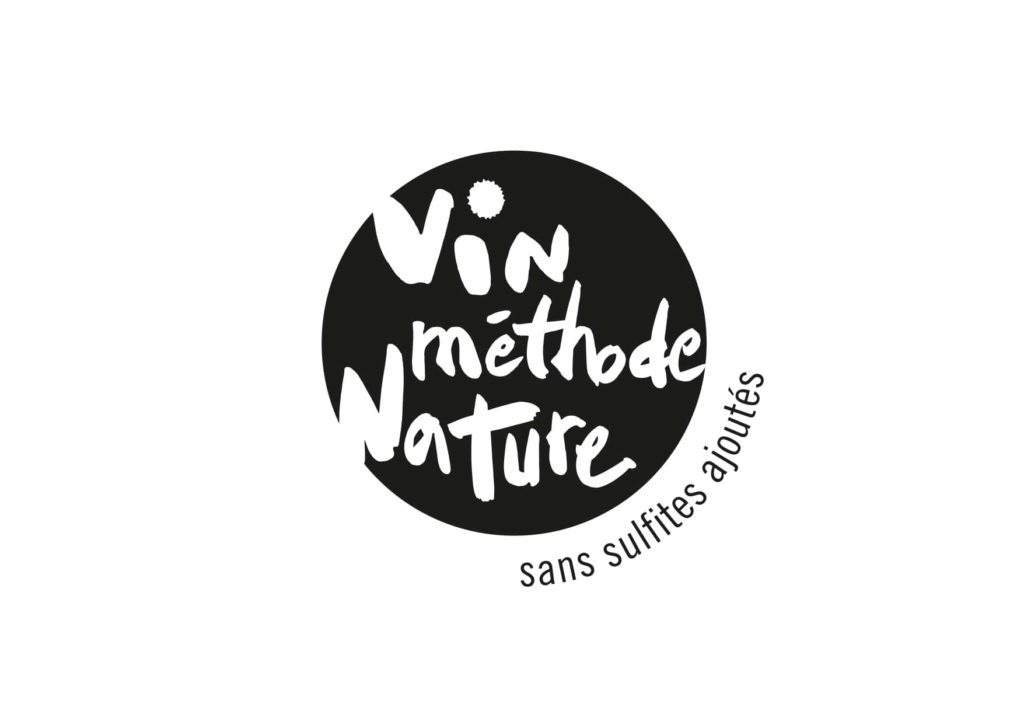
It took more than ten years for this method to gain official recognition. In short, a natural wine comes from organically grown grapes, harvested by hand. The grapes are vinified without phytosanitary inputs and without corrective oenology techniques.
We hope this explanation helps you better understand the subtleties of each production method. For any further questions about these labels, vine cultivation, or tastings, feel free to


