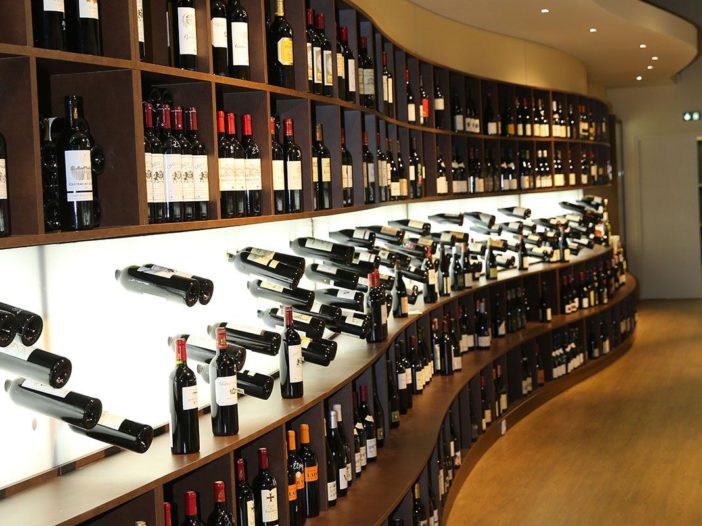
Choosing a good bottle of wine is not a matter of chance. Several criteria help assess the quality of a wine, whether red or white. From the label to the tasting itself, through aromas and balance on the palate, here’s how to identify the best wines and avoid disappointment.
The label: a key indicator of a wine’s quality
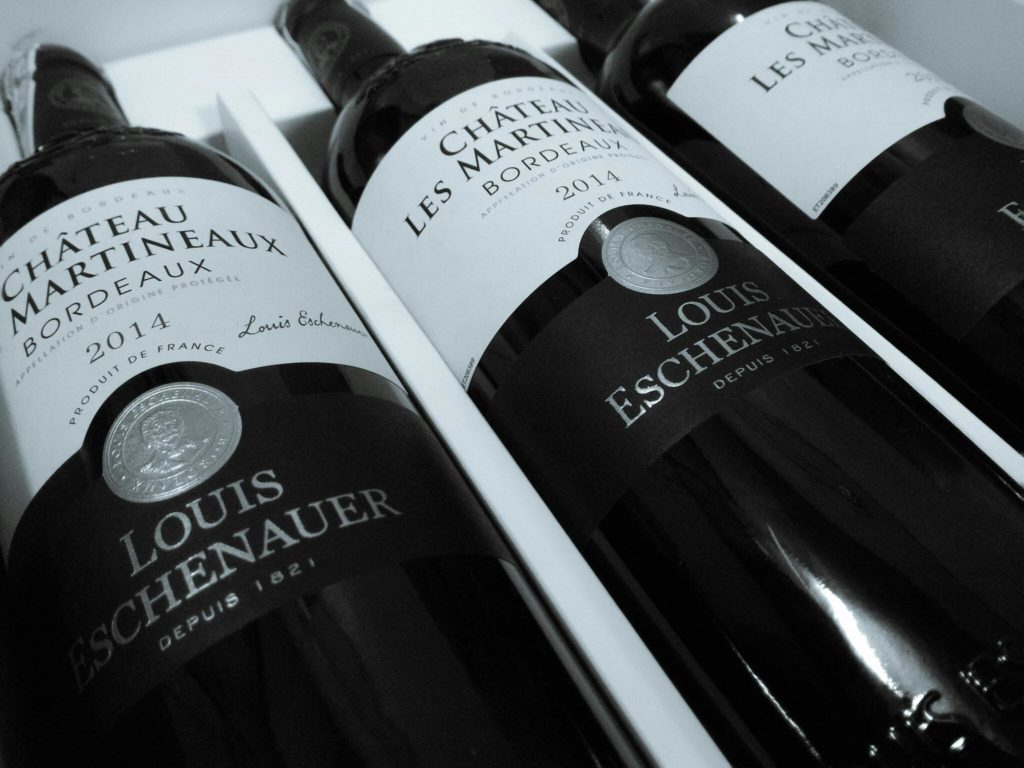
A wine’s label provides essential information for evaluating a bottle of wine:
-
- The appellation d’origine contrôlée (AOC) or the protected geographical indication (IGP) guarantees strict adherence to production methods.
- The vintage is an element not to be overlooked. Some vintages are recognized as exceptional, especially for Bordeaux red wines or Burgundy premiers crus.
- The estate and the producer directly influence the wine’s quality. A reputable estate often offers a better guarantee than an industrial brand.
Before buying, it can be useful to check the wine label to better understand its origin and aging potential.
Appearance : the wine’s color, a quality criterion
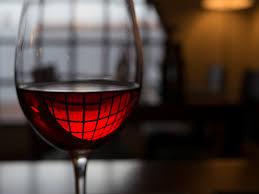
Observing the wine bottle and the color of the wine in a glass already provides clues about its quality :
- Young red wines display a purplish color, while older red wines tend toward orange or brick hues.
- Young white wines are often pale with greenish reflections, whereas an aged white wine takes on golden tones.
- A strong aromatic intensity is often reflected in a bright and clear color.
Quality red and white wines have a clean appearance, without suspended particles.
Les rouges, vins blancs de qualité présentent une robe nette, sans particules en suspension.
In frescoes and stained glass from the period, wine is often depicted in religious scenes such as the Last Supper or in representations of the life of Saint Vincent, where it symbolizes divine sacrifice. More symbolically, some Christian artists also represented Christ as “the true vine”, an important symbol in Christian theology referring to the spiritual relationship between Jesus and his disciples. This spiritual and symbolic dimension of wine in medieval art highlights its role far beyond simple consumption; it becomes a bridge between the sacred and the profane, marking transitions between different spheres of human life.
The nose : the wine’s aromas, a mark of quality
A good wine reveals a complexity of aromas from the very first contact with the nose. The aromas of winevary depending on the grape variety, the terroir, and the aging process:
- Fruity (cherry, blackcurrant for red wines; citrus for white wines).
- Floral (rose, violet, jasmine).
- Spicy and woody (vanilla, pepper, licorice).
- Mineral (flint, gunstone for Riesling and other white wines).
A quality wine offers aromatic intensity without excessive alcohol or flaws (such as vinegar, cork taint, or sulfur smells).
In these representations, wine becomes a symbol of pleasure but also of mortality. Caravaggio’s works marked the beginning of a new era of reflection on the fragility of human life, a reflection amplified by themes of excess and debauchery. This treatment of wine as an object of sensuality, yet also as a release from social constraints, is a central theme in Renaissance art.
The balance of wine on the palate: an essential harmony

A balanced wine is pleasant to drink, with perfect harmony between:
- The tannins, acidity, and smoothness for red wines.
- The acidity and sweetness for white wines.
A well-made red or white wine should be neither too harsh nor too flat. Wine balance is an essential criterion in evaluating a good bottle of wine.
Length on the palate: a marker of the best wines
After tasting, the wine’s length on the palate allows you to judge its quality. A quality wine leaves a lasting impression:
- Less than 3 seconds: simple wine.
- Between 4 and 8 seconds: good wine.
- More than 8 seconds: exceptional length on the palate, often observed in grand crus.
Burgundy premiers crus and certain Bordeaux red wines often offer remarkable persistence.
Other elements to consider
The complexity of the wine’s aromas
A good wine evolves on the palate and reveals a progressive complexity of aromas. Wines that are too linear lack depth and interest.
Expression of the terroir
Red and white wines should reflect their terroir, depending on the grape varieties, climate, and soil. A good wine faithfully expresses its appellation of origin.
Price and value for money
An expensive wine is not necessarily a good wine. It is possible to find excellent bottles of wines at reasonable prices. Some wine courses can help refine your palate and better understand the value-for-money of wines.
Food and wine pairings
A good wine is even more enjoyable when paired with the right dish. Here are a few examples of food and wine pairings:
- Full-bodied red wine with red meat.
- Mineral white wine with seafood.
- Light red wines with poultry.
Choosing a good bottle of wine also involves finding the right food and wine pairing.


Leave a Reply