Properly storing your wine bottles is essential to preserve their quality and flavor over time. Whether you are a passionate collector or an occasional wine enthusiast, following a few basic principles can make a big difference. Here is a practical guide to help you store your wine bottles correctly and enjoy them at their best when it’s time to drink.
Before Opening
Ideal Temperature
Temperature is one of the most critical factors for wine storage. Too high or too low a temperature can damage the wine.
- Ideal temperature:Between 10°C and 15°C (50°F and 59°F) is the perfect range for storing most wines. Red wines prefer a slightly higher temperature (around 15°C / 59°F), while white and rosé wines are better kept at a lower temperature (around 10°C / 50°F).
- Stability:Avoid temperature fluctuations. Sudden changes can accelerate the aging process and alter the wine’s taste. A constant temperature is crucial, as expansions and contractions of the liquid can cause leaks around the cork and premature oxidation of the wine.
Humidity Control
Humidity also plays a crucial role in wine storage, especially if you are using cork stoppers.
- Ideal humidity:Between 60% and 70% relative humidity. This range keeps corks in good condition and prevents them from drying out.
- Why it matters:Too low humidity can dry out corks, allowing air to enter the bottle and oxidize the wine, degrading its aromas and flavor. Too high humidity can promote mold growth on labels and corks, which can compromise the bottles’ integrity and affect the wine.
Bottle Position
The way you store your bottles affects their preservation.
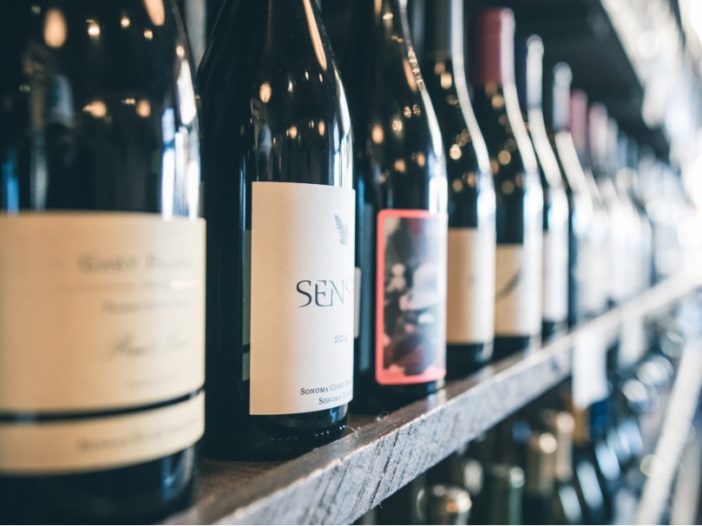
- Horizontal position:Store bottles on their side so the wine stays in contact with the cork, keeping it moist and preventing air from entering. This is especially important for bottles sealed with natural cork.
- Exceptions:Wines sealed with screw caps or synthetic corks can be stored upright without any problem, as these types of closures do not need to remain moist to maintain a proper seal.

Light
Light, especially UV rays, can degrade wine.
- Darkness :Store bottles in a dark place or use cabinets with opaque doors. Wine cellars with UV-protected glass doors are a good option to shield wines from light damage.
- Why ? :UV rays can break down the chemical compounds in wine, affecting its taste and aroma. Light can also trigger photochemical reactions, leading to premature oxidation and a loss of quality.

Absence of Vibrations
Constant vibrations can disturb wine in suspension, affecting its aging process.
- Stable location : Choose a spot free from vibrations, away from household appliances or heating systems that might cause movement. Vibrations can agitate particles in suspension in the wine, disrupting the aging process and disturbing sediments in red wines.
- Wine cellar : High-quality wine cellars are designed to minimize vibrations. They provide a stable and secure environment for your bottles.
Airflow and Odors
Wines can absorb surrounding odors, especially those sealed with natural cork.
- Ventilation : Ensure the storage area is well-ventilated to prevent unpleasant odors. Proper airflow helps avoid excessive humidity and mold formation.
- Keep away from chemicals : Avoid storing wines near chemicals, paints, or anything that emits strong odors. Wines can absorb these smells through the cork, which can alter their taste and aroma.
Shelf Life
Not all wines are meant to age for long periods.
- Wines meant to be drunk young : Most white wines, rosés, and light red wines are intended to be consumed within 2–3 years of bottling. These wines are designed to be fresh and fruity and do not necessarily benefit from long-term aging.
- Aging wines : Some red wines, sweet wines, and certain champagnes can be stored for several years or even decades. Aging wines are crafted to develop complex aromas and a richer texture over time. Check specific recommendations for each bottle or consult a sommelier to determine how long to store your wines.
Using a Wine Cellar
Investing in a wine cellar can be an excellent solution for storing bottles under optimal conditions.
- Types of wine cellars :
- Serving cellars : Maintain wines at the ideal drinking temperature (usually between 43°F and 64°F, depending on the type of wine). Perfect for bottles you plan to consume soon.
- Aging cellars : Provide perfect conditions for long-term aging. They maintain a constant temperature and controlled humidity, protecting your bottles from environmental fluctuations.
- Capacity : Choose a wine cellar based on the size of your collection and future needs. It’s often wise to opt for a slightly larger cellar than necessary to allow for collection growth.

After Opening
Storing wine after opening is a crucial concern for any wine lover. Once the cork is removed, the wine begins to oxidize, which can quickly alter its flavors and aromas. To extend the life of your opened bottles and maintain their quality, here are some practical tips to follow.
Minimize Exposure to Air
Oxygen is the enemy of wine once the bottle is opened.
- Recork promptly : After each use, recork the bottle as soon as possible to minimize exposure to air. Use the original cork if possible, or a reusable wine stopper.
- Vacuum pump : Consider using a vacuum pump to remove air from the bottle. This can help slow oxidation and extend the wine’s life for up to a week.
Use Special Stoppers
There are several types of stoppers designed specifically for preserving wine after opening.
- Vacuum stoppers : Used with a vacuum pump to remove air from the bottle.
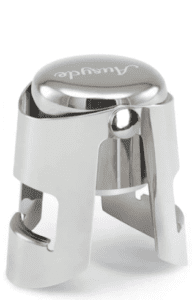
- Airtight stoppers: Create a sealed barrier that prevents air from entering the bottle.
- Wine preservation systems : Devices like Coravin allow you to pour wine without removing the cork, using a needle to access the wine and replacing the air with inert gas (argon) to preserve the remaining wine.
Store at the Right Temperature
Even after opening, proper temperature remains important.
- Red wines : Store opened red wines slightly cooler than room temperature, around 12–18°C (54–64°F). You can place them in a cool area or even in the refrigerator.
- White and rosé wines : Keep them in the fridge, ideally at 7–10°C (45–50°F). This slows oxidation and preserves the wine’s freshness.
- Champagnes and sparkling wines : These should be sealed with a stopper designed for sparkling wines and stored in the refrigerator. Such stoppers maintain the pressure inside the bottle, preventing the loss of bubbles.
Storage Duration
The length of time an opened wine can be kept varies by type.
- Red wines : Generally, red wines can be kept for 3–5 days after opening, provided they are properly recorked and stored in a cool place.
- White and rosé wines : These wines usually last 3–5 days in the fridge. Fuller-bodied white wines may sometimes last a little longer.
- Sparkling wines : Champagne and other sparkling wines keep their bubbles for 1–3 days if you use an appropriate stopper.
- Sweet wines : Sweet and dessert wines, thanks to their higher sugar content, can often be kept for a week or more after opening.
Use Smaller Bottles
If you don’t plan to finish a bottle quickly, transfer the wine into a smaller bottle.
- Reduce air space : Using a smaller bottle reduces the amount of air in contact with the wine. Make sure to fill it to the top to minimize oxidation.
- Dark glass bottles : Use dark glass bottles to protect the wine from light, which can also accelerate oxidation.

Preservation Tools
Some tools and accessories can greatly help extend the life of your opened wines.
- Inert gas : Use sprays of inert gas, such as argon, to replace the air in the bottle. These gases are heavier than air and form a protective layer over the wine.
- Stopper with built-in timer : Some stoppers are equipped with day counters to remind you how long the bottle has been open.
Tasting and Evaluating
Before serving an opened wine, taste it to assess its condition.
- Detecting oxidation : If the wine has lost its fruity aromas or tastes like vinegar or wet cardboard, it is probably too oxidized and should not be consumed.
- Adjusting for cooking : If the wine has slightly lost its freshness but is still drinkable, use it in cooking. Slightly oxidized wines can still add beautiful depth of flavor to your dishes.

Storing your wine bottles under optimal conditions is essential to ensure that every sip lives up to your expectations. By following these practical tips, you can be confident that your wine will age under the best possible conditions, offering you an exceptional tasting experience. Whether you have a simple wine rack or a sophisticated wine cellar, the basic principles remain the same: temperature, humidity, darkness, stability, and ventilation.


Leave a Reply