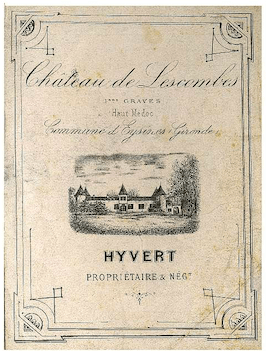
A wine bottle label is a true identity card for the product. It contains a wealth of useful information to help understand the wine’s origin, style, and quality. However, knowing how to decode it is essential. Between mandatory and optional information, marketing claims and genuine indicators of quality, it is important to know where to focus in order to make the right choice.
In this article, we will explore how to properly read a wine label so you can purchase a bottle with confidence.
Why Is It Essential to Know How to Read a Wine Label ?
When purchasing a bottle of wine, we often have very little information beyond what appears on the label. Knowing how to read it helps avoid common pitfalls and choose a wine that truly matches your expectations.
One Label, Two Distinct Parts
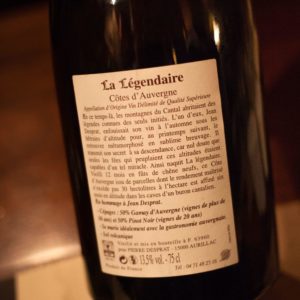
On a wine bottle, there are generally two labels :
- The front label : located on the front of the bottle, it highlights the appellation, the producer, and sometimes an image or logo.
- The back label : placed on the back, it contains additional information such as food and wine pairings, serving temperature, and sometimes a description of the wine.
Avoiding Marketing Traps
Some bottles feature attractive visuals or flattering but vague terms (“Grande Réserve,” “Winemaker’s Selection,” “Prestige Cuvée”) that have no real legal meaning. It is important to focus on the key information rather than the label’s design.
Mandatory Information : What the Law Requires
Regulations require certain information on a wine label to ensure transparency.
The Producer or Estate Name
This indicates who produced and bottled the wine. Some important mentions to know:
- “Bottled at the estate / château”: The wine was produced, vinified, and bottled on-site.
- “Bottled by…” followed by a number : The wine was bottled elsewhere, often by a merchant.
The Appellation : A Key Criterion
The appellation informs about the wine’s origin and production standards. There are three main categories:
- Appellation d’Origine Contrôlée (AOC) / Protected Designation of Origin (PDO / AOP) : guarantees strict adherence to local rules (e.g., Pauillac AOC, Chablis AOC).
- Protected Geographical Indication (PGI / IGP) : allows more flexibility in grape varieties and winemaking (e.g., IGP Pays d’Oc).
- Vin de France : not tied to a specific area, but can still be of high quality if produced by a serious winemaker.
The Vintage : Why It Matters
The vintage corresponds to the year the grapes were harvested. It can be crucial for wines meant for aging, as some years offer better climatic conditions. However, for wines intended to be drunk young, the vintage often has less impact.
Volume and Alcohol Content
The standard volume is generally 75 cl, but there are also 37.5 cl (half bottles), magnums (1.5 L), etc. Alcohol content (% ABV) provides an indication of the wine’s strength. A Bordeaux red typically ranges around 13–14%, while a Loire white may be as low as 11–12%.
Allergens and the “Contains Sulfites” Notice
Sulfites are preservatives naturally present in wine or added to stabilize it. If a wine contains more than 10 mg/L, this notice is mandatory.
Allergens and the statement “contains sulfites”
Optional but Useful Information
“Old Vines” and “Aged in Oak Barrels”: What Do These Terms Mean?
- Old Vines: Indicates that the vines are mature (generally over 40 years old), producing more concentrated grapes and more complex wines.
- Aged in Oak Barrels: Refers to barrel aging, which imparts woody aromas and adds structure to the wine.
Labels and Certifications : A Mark of Quality ?
Some wines display labels guaranteeing environmentally friendly practices:
- AB (Agriculture Biologique) : No synthetic chemical pesticides.
- HVE (High Environmental Value) : Respects biodiversity and natural resources.
- Terra Vitis: Sustainable viticulture with reduced environmental impact.
Awards and Medals : A Reliable Criterion ?
Some bottles feature medals won in competitions (e.g., Concours Général Agricole, Guide Hachette). While these can be indicators, they should not be considered absolute criteria, as many high-quality wines do not participate in competitions.
Decoding the Appellation and Region of Origin

Why the Appellation Matters
The appellation provides clues about the wine’s style. Some examples :
- A Bordeaux red will be tannic and structured, ideal with red meats.
- A Burgundy white will be more delicate and mineral, perfect with seafood.
- An IGP Pays d’Oc often produces soft, fruity wines that are easy to drink.
Major French Wine Regions
Each region has its own characteristics :
- Bordeaux : powerful red wines, often blends of Cabernet Sauvignon and Merlot.
- Burgundy : elegant wines, with Pinot Noir for reds and Chardonnay for whites.
- Loire Valley : crisp white wines (Sancerre, Muscadet) and light reds (Chinon).
- Rhône Valley : full-bodied reds (Châteauneuf-du-Pape, Côtes-du-Rhône).
Practical Tips for Choosing a Wine from the Label
What to Look at First
- The appellation: A good indicator of the wine’s style and quality.
- The producer: Estate wines are often more interesting than mass-produced ones.
- The vintage: For fine wines, prioritize good years.
Signs of a Quality Wine
- A simple and clear label often reflects seriousness.
- Terms like “Old Vines” or “Aged in Oak” can indicate a carefully crafted wine.
- The presence of a quality label (Organic, HVE) can be a bonus.
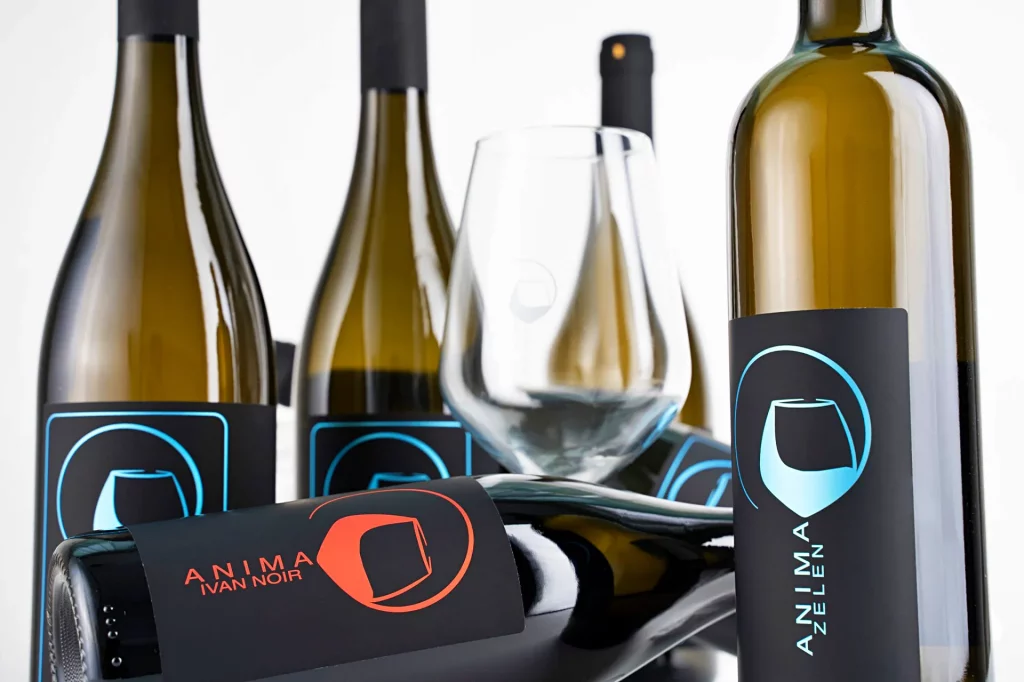
Should You Be Wary of a Beautiful Label?
An attractive presentation does not guarantee a good wine. Some producers invest more in marketing than in quality. Always check the essential information before being seduced by the design.


Leave a Reply