
What Is an Organic Wine ?
Organic wine comes from vineyards cultivated without chemical pesticides, synthetic fertilizers, or herbicides. This approach ensures a more natural product that respects both the environment and the consumer.
Organic wines must comply with strict standards set by the European Union. Since 2012, organic certification no longer applies only to the vineyard but also to the winemaking process. This means that the entire production process, rom cultivation to blending, must follow strict rules, particularly regarding the use of sulfites and stabilization techniques.
Biodynamic wines go even further. Based on the principles of Rudolf Steiner, they take lunar cycles into account and use natural preparations to strengthen the vitality of the soil and the vines. Many organic winemakers adopt this approach to produce natural biodynamic wines.
Why choose an organic wine ?

Choosing an organic wine is a decision that is ethical, ecological, and qualitative at the same time. Here are the main advantages :
- Respect for the terroir : Organic winemakers use agricultural techniques that preserve biodiversity and soil fertility.
- Fewer chemical inputs : The absence of chemical pesticides reduces the risk of residues in the bottles.
- A more authentic expression of the grape varieties : Organic wine better reflects its terroir, often with more intense and pure flavors.
- Sustainable production : Organic viticulture promotes a more balanced ecosystem, helping to preserve natural resources.
Consumers are increasingly seeking these values, and the demand for organic wines continues to grow, whether in Burgundy, Bordeaux, Provence, or other major French wine regions.
How can you recognize a good organic wine producer ?
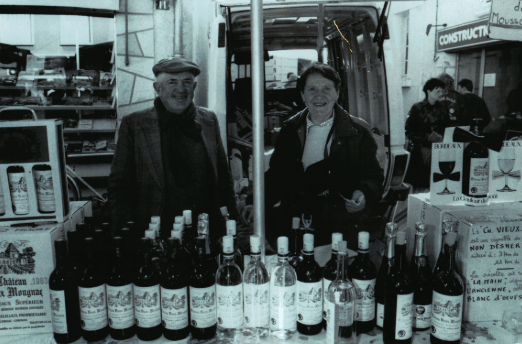
An engaged organic winemaker is not limited to certification alone. They often prioritize manual methods and vineyard practices that are more respectful of nature. Here are some criteria to identify a good organic wine producer:
- Official labels : The European AB label (Agriculture Biologique) guarantees that the organic winecomplies with EU standards. Other certifications, like Demeter for biodynamic wines, ensure an even more natural approach.
- Respect for terroir and traditions : A good organic winemaker values local grape varieties and traditional viticultural practices.
- Transparency : The best organic winemakers openly share their expertise and welcome wine enthusiasts to visit their estates.
Among recognized organic wine producers, Château Vieux Mougnac in Saint-Émilion has been producing organic wine with terroir-respecting methods for five generations, while Domaine des Sœurs Cadettes in Burgundy is renowned for its organic wines.
The Different Categories of Organic Wines
Organic wines come in various styles, offering a wide range of flavors to suit every palate.
- Organic red wine : Produced in regions like the Rhône, Burgundy, or Bordeaux, it offers rich and complex aromas. Notable examples include Vin Rouge AOP Minervois and Rouge Bio AOC from the Rhône Valley.
- Organic white wine : Dry or off-dry, it stands out for its freshness and finesse. Burgundy organic white wines, such as a Nuits-Saint-Georges blanc, are highly appreciated.
- Organic rosé wine : Perfect for summer, often from Coteaux Varois in Provence or southern French AOP rosé wines.
Fans of biodynamic organic wines also seek cuvées produced according to biodynamic principles, which add an even more natural and energetic dimension to the wines.
Where to Buy a Good Organic Wine ?
Choosing an organic wine can depend on price, appellation, and producer. Organic wine lovers have several options :
- Buying directly from the producer : Visiting a winery allows you to better understand their cultivation methods and interact with the organic winemaker. Some estates also offer tastings to discover their organic cuvées.
- Going to a specialized wine shop : Wine shops often offer a carefully curated selection of organic wines, along with personalized advice.
- Ordering online : Many websites allow you to filter organic wines by price, relevance, or region (such as Vin Pays Charentais, Coteaux Varois in Provence, or Rouge Bio from the Rhône).


Leave a Reply