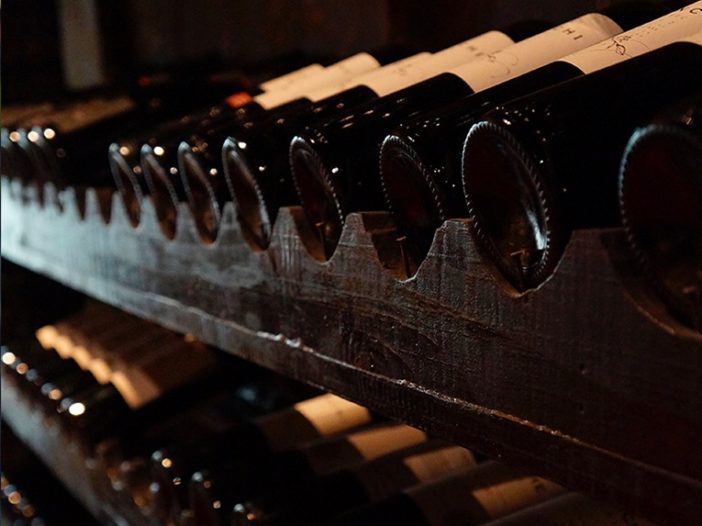
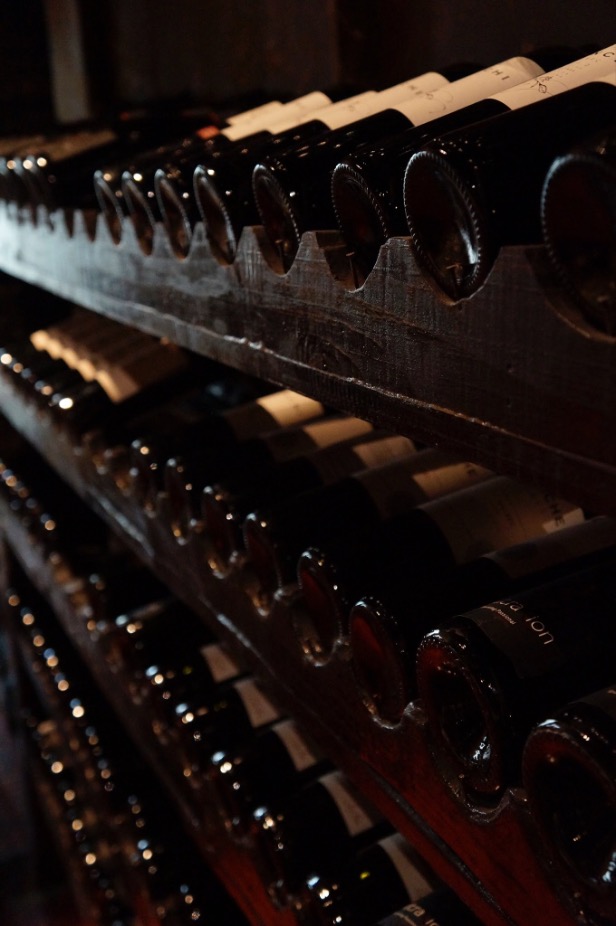
A romantic, charming old cellar is not necessarily the best place to store precious bottles of aging wine. Maintaining your wine cellar is essential for ensuring the optimal maturation of your wines.
A good cellar should be a closed, dark, but not gloomy, space, protected from vibrations and noise, free from strong odors, properly ventilated, with the most stable temperature and humidity possible.
To dive deeper, discover our article on the 3 steps of wine tasting.
Managing Temperature and Humidity
Keep a Cool, Consistent Temperature
Wine should be stored at a constant temperature between 10°C and 18°C, with the ideal range around 11–12°C. Below this, wine will no longer improve, although it can still be enjoyed for months, even years. Temperatures above 20°C are harmful: the wine will age prematurely and poorly, losing both its color and the freshness of its aromas.
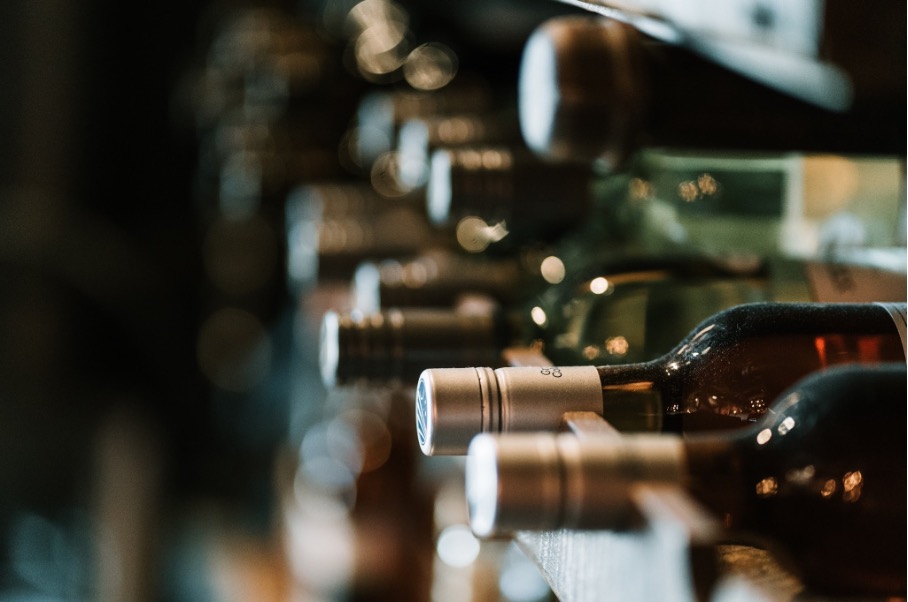
The main thing to monitor in your cellar is sudden temperature fluctuations. A slow change from 12°C in winter to 18°C in summer is not a problem. However, if such a variation occurs within a day or even a week, it can create issues. Wine expands and contracts inside the bottle, which can cause it to seep around the cork, leaving deposits on the capsule.
When choosing a cellar, take note of the maximum and minimum temperatures in different areas to identify the coolest spots. If possible, locate heat sources and neutralize them, for example, by insulating hot water pipes. Insulate doors leading to heated parts of the house with extruded polystyrene and seal sources of cold air. The goal is a stable, constant temperature. Continue monitoring temperatures until you can track their fluctuations throughout the year.
High Humidity
Humidity should be between 70% and 80%. Too much moisture can damage labels and cause mold on corks, while too little is even more dangerous: dry corks shrink, allowing air into the bottle. If your cellar floor is not earthen, you can increase humidity by covering the floor with a layer of gravel and keeping it lightly watered.
In most well-insulated cellars, natural humidity is sufficient. Dehumidifiers can prevent excessive moisture, but they are costly and only worthwhile for very large cellars. In smaller cellars, improving ventilation and insulating specific moisture sources, such as damp walls, is usually enough.
Light: Wine’s Enemy
Light damages wine, especially white and sparkling wines. It is crucial to block all external light, even light coming from a vent on a sun-exposed wall. Ensure your cellar is dark, shielding it completely from outside light.
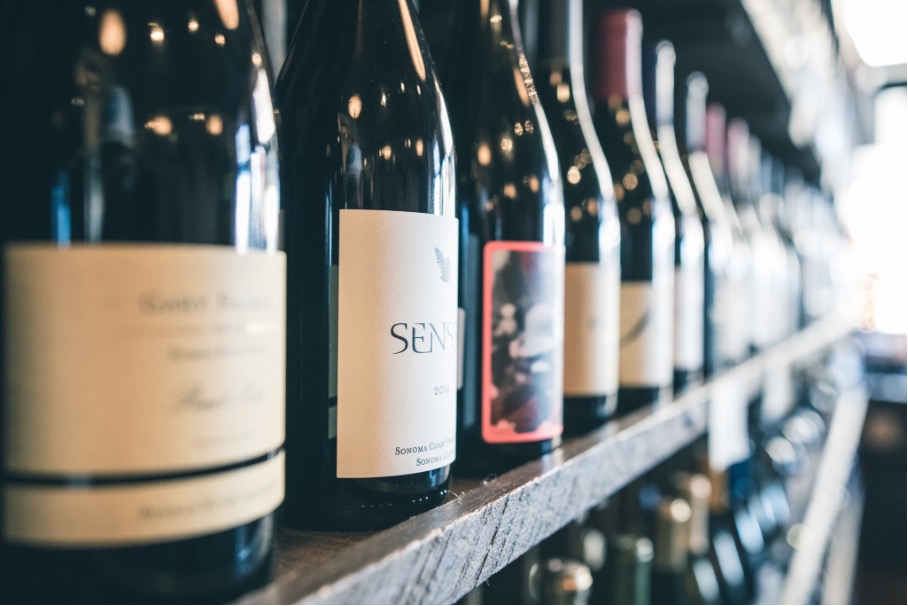
To move around your cellar safely, install a low-wattage bulb (25 or 40 watts) and avoid halogen or fluorescent lamps. Always remember to turn off the light before leaving the cellar to protect your wine from unnecessary exposure.
Managing Air : Essential for a Healthy Wine Cellar
Good ventilation without drafts
Air circulation is important, even though it can slightly raise the temperature. A well-designed cellar should have air inlets or vents to allow outside air to flow and circulate. These vents should be adjustable, so you can neutralize them during very cold or hot weather to prevent harmful drafts that could disturb the wine.
If your cellar is oriented north-south, position the vents as low as possible on the north side and high on the south side. Thanks to convection, warm air exits through the high vent on the south side while fresh air gradually enters from the north.
Cleanliness: Watch Out for Odors
Avoid storing bottles near paint thinners or strong-smelling substances, as odors can penetrate the cork and affect the wine. Similarly, vegetable or food matter can promote mold growth or attract harmful insects.
Calm: Avoid Vibrations
Proper wine cellar maintenance also involves managing external vibrations. Frequent or strong vibrations can harm the wine, whether they come from inside (household appliances) or outside (traffic, nearby metro lines).
Monitor Bottle Levels
Over time, some wine naturally evaporates through the neck of the bottle. In Bordeaux, this is referred to as the “bottle level.” For a young wine, the liquid should remain within the neck of the bottle.
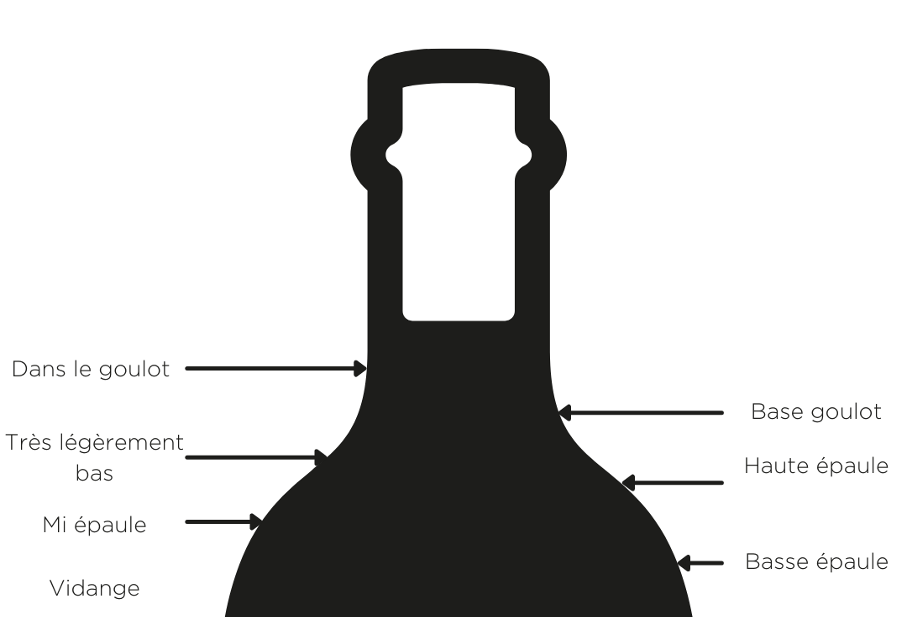
A wine level at the top of the shoulder is acceptable for wines over 20 years old and rare for older vintages. A completely empty bottle, however, usually indicates that the wine has become undrinkable.
How to Properly Stock Your Cellar ?
But how do you choose all these wines ? Why not create your own ? Interested ?
Near Bordeaux, Saint-Emilion is a village renowned for its surrounding vineyards. L.O Wine, a company offering unique wine experiences, invites you to immerse yourself in the heart of this wine kingdom with the reward of a personalized wine. L.O Wine also offers a virtual wine experience, sending your complete creation kit directly to your home.
So don’t wait any longer, start your journey and create your own wine !


