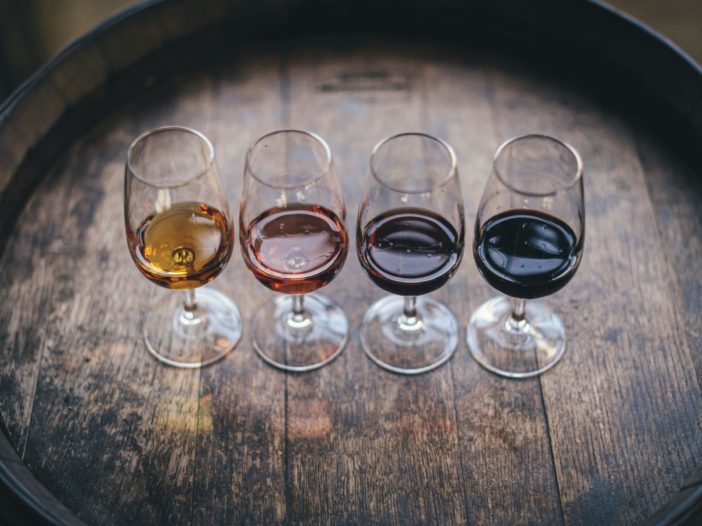
Key Characteristics and Main Grape Varieties
A wine with an intense color and deep aromas
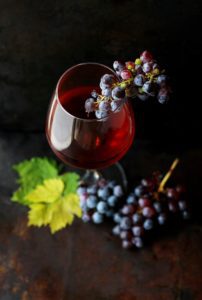
Red wine is one of the most widely consumed wines in the world. It is made from the fermentation of dark-skinned grapes, with its color coming from the pigments in the skins. Its aromatic range is broad, from red and black fruits to spices, leather, and even cocoa, depending on its aging and terroir.
Essential red wine grape varieties
Each grape variety brings unique characteristics in terms of flavor, structure, and aging potential. Some of the most common include :
- Cabernet Sauvignon : Known for its powerful tannins and notes of blackcurrant, bell pepper, and tobacco. Found in Bordeaux, Napa Valley, and Australia.
- Merlot : Softer and rounder, with aromas of black cherry, plum, and chocolate. Often blended with Cabernet Sauvignon.
- Pinot Noir : Iconic Burgundy grape, producing elegant wines with aromas of strawberry, cherry, and sometimes forest floor.
- Syrah (Shiraz) : Often intense and spicy, offering notes of blackberry, violet, and black pepper. Found in the Rhône Valley and Australia.
- Tempranillo : Key Spanish grape, producing wines with notes of red fruits, vanilla, and leather.
How red wine is produced
The production of red wine involves several key steps:
- Destemming and crushing : Grapes are separated from their stems and lightly crushed.
- Maceration and fermentation : The skins remain in contact with the juice to extract color and tannins. This stage can last from a few days to several weeks.
- Pressing and aging : The wine is separated from the skins and placed in tanks or barrels for maturation.
- Bottling : After possible aging in oak barrels, the wine is filtered and bottled.
The major red wine producing regions

Each country has its own terroirs and traditions when it comes to producing red wines. Among the most famous are:
- France : Bordeaux, Burgundy, Rhône Valley, Languedoc
- Italy : Tuscany (Chianti), Piedmont (Barolo, Barbaresco)
- Spain : Rioja, Ribera del Duero
- United States : Napa Valley, Oregon
- Argentina : Mendoza (Malbec)
- Australia : Barossa Valley (Shiraz)
Red wine is distinguished by its diversity of styles and aging potential, ranging from light, fruity wines to powerful, structured vintages that can age for several decades.
White Wines : Diversity and Winemaking Methods
A wine with many facets
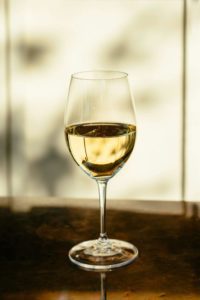
White wine is distinguished by its freshness, lightness, and varied aromatic palette. Unlike red wine, it is generally made from white-skinned grapes, although some dark-skinned varieties can also be used, provided the juice is immediately separated from the skins to avoid any coloration.
There are several types of white wines, each with its own characteristics:
- Dry white wines : lively and refreshing, often marked by notes of citrus, white flowers, and minerality.
- Off-dry white wines : slightly sweeter, offering aromas of exotic fruits, honey, and sometimes spice bread.
- Sweet white wines : made from very ripe grapes or affected by botrytis (noble rot), characterized by intense aromatic richness and a long finish.
Iconic white wine grape varieties
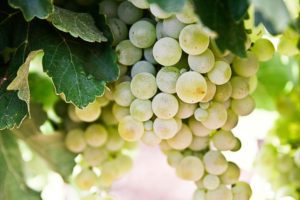
Each grape variety gives white wine its own unique identity. Some of the most renowned include :
- Chardonnay : a versatile grape that produces very different wines depending on the terroir and winemaking. In Burgundy, it is mineral and elegant, while in California, it is often rounder with notes of butter and vanilla.
- Sauvignon Blanc : known for its liveliness and aromas of lemon, boxwood, and tropical fruits. Found notably in the Loire Valley (Sancerre, Pouilly-Fumé) and New Zealand.
- Riesling : a classic grape from Alsace and Germany, producing wines from very dry to sweet, with notes of lime, petrol, and white flowers.
- Gewurztraminer : aromatic and expressive, offering notes of lychee, rose, and spices. Perfect with exotic dishes.
- Chenin Blanc : widely grown in the Loire Valley, producing both dry and sweet wines with aromas of quince, honey, and apple.
How is white wine produced?
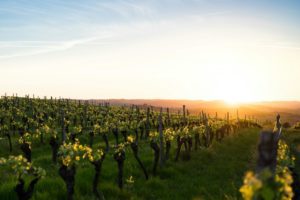
The production of white wine relies on several essential steps:
- Direct Pressing : Unlike red wine, the grape skins are not kept, which prevents the extraction of tannins and color.
- Fermentation : Carried out at low temperatures to preserve freshness and aromas. It usually lasts 10 to 30 days.
- Aging : Depending on the desired style, the wine can be aged in stainless steel tanks (to maintain freshness) or in oak barrels (for more complexity).
- Bottling : After possible aging on the lees (natural yeast deposits), the wine is filtered and bottled.
Climate plays a crucial role in shaping the aromatic profile of white wines :
- Cool climates(Alsace, Loire, Germany) : wines are more acidic, tight, and mineral-driven.
- Temperate climates(Burgundy, New Zealand) : balanced wines with both acidity and roundness.
- Warm climates(California, Australia, South Africa) : richer wines, with notes of ripe fruits and spices.
Food and white wine pairings :
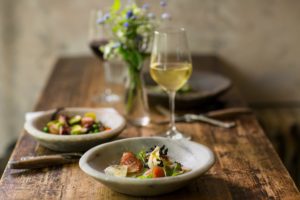
White wines pair beautifully with a wide variety of dishes :
- Dry white wines : perfect with seafood, grilled fish, or goat cheeses.
- Off-dry and sweet white wines : ideal with foie gras, fruit desserts, or spicy Asian cuisine.
- Oaked white wines (aged in oak barrels) : best paired with white meats in sauce or creamy dishes.
White wine, with its diversity and elegance, captivates through its finesse and its ability to complement a multitude of dishes.
Rosé Wines : Production and Varied Styles
A wine at the crossroads of red and white.

Rosé wine is often seen as a summer wine, fresh and light, but it has a far richer diversity than commonly imagined. It is made from dark-skinned grapes, like red wine, but with a shorter maceration period, which gives it its characteristic color.
Contrary to popular belief, rosé wine is not a blend of red and white wine (except in some cases, such as rosé Champagne). There are several styles of rosé, ranging from very pale and delicate to more intense and structured.
The Different Methods of Producing Rosé Wine
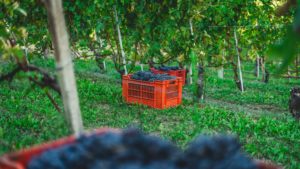
There are three main techniques for producing rosé wine :
- Short maceration : Dark-skinned grapes are left in contact with their skins for a few hours to a few days, then the juice is separated and fermented like a white wine. This method produces rosés with more structure.
- Direct pressing : The grapes are pressed immediately after harvest, without prolonged maceration. This results in very pale and delicate wines, typical of Provence.
- Saignée (“bleeding”) : Mainly used in red wine production, part of the juice is removed at the start of maceration to produce a more concentrated rosé. This method yields rosés that are deeper in color and more aromatic.
Major Rosé-Producing Regions
Rosé wine is made in many countries, but some regions are particularly renowned :
- Provence (France) : The global benchmark for rosé, producing pale, dry, and elegant wines with aromas of red fruits and citrus.
- Languedoc-Roussillon (France) : Rosés that are more varied, sometimes more intense and fruity.
- Navarre and Rioja (Spain) : Rosés with deeper color and flavor, often from Tempranillo or Garnacha grapes.
- Tuscany (Italy) : The Italian rosato, often made from Sangiovese, noted for its freshness.
- United States (California) : Richer, fruitier rosés, sometimes slightly sweet (White Zinfandel).
When and How to Enjoy Rosé Wine

Rosé wine is usually enjoyed young, to fully appreciate its freshness and fruity aromas. It is often served chilled, between 8 and 12°C (46–54°F).
It pairs beautifully with a variety of dishes :
- Aperitif : charcuterie, tapas, olives
- Mediterranean cuisine : salads, grilled dishes, fish
- Spicy dishes : Asian cuisine, curry-based meals
- Fruity desserts : red fruit tarts, fruit salads
Although often associated with summer relaxation, rosé wine offers a wide range of styles worth exploring throughout the year.
Sparkling Wines : From Champagne to Other Bubbles
A sparkling wine that makes every occasion sparkle

Sparkling wines are defined by the presence of carbon dioxide bubbles produced during fermentation. They are synonymous with celebration and sophistication but are not limited to Champagne. There are many production methods and a wide range of styles, from brut to sweet.
What Makes a Wine Sparkling ?
The bubbles in sparkling wine result from a second fermentation, which can be carried out using different methods. These methods influence the finesse of the bubbles, the wine’s texture, and its aromatic complexity.
Different Production Methods for Sparkling Wines
- Traditional Method (Champenoise) :
– The wine undergoes a second fermentation in the bottle, where added sugar and yeast produce carbon dioxide.
– After several months, the yeast deposits are removed through disgorgement.
– This method is used for Champagne, Crémant, and Cava. - Charmat Method (Tank Method) :
– The second fermentation takes place in a large pressurized tank instead of in the bottle.
– This technique is faster and preserves fresher, fruitier aromas.
– It is used for Prosecco and some modern sparkling wines. - Ancestral Method :
– The wine is bottled before the first fermentation is complete, naturally trapping the gas.
– This produces rustic wines, often slightly cloudy, like Pétillant Naturel (Pét-Nat). - Carbon Dioxide Method (Artificial Carbonation) :
– CO₂ is added artificially, similar to some soft drinks.
– Used for entry-level sparkling wines.
Famous Sparkling Wines Around the World
Each country produces its own sparkling wines with unique styles and traditions :
- France : Champagne, Crémant (Alsace, Burgundy, Loire)
- Spain : Cava (traditional method)
- Italy : Prosecco (Charmat method), Franciacorta (traditional method)
- Germany : Sekt (often sweet or semi-dry)
- United States : Sparkling wine (California)
How to Serve Sparkling Wine Properly
- Ideal Temperature : between 6 and 10°C (43–50 °F), cooler for lighter wines (like Prosecco), slightly warmer for vintage Champagnes.
- Glass Type : flutes help preserve the bubbles longer, while coupes enhance the development of aromas.
- Opening : gently twist the cork rather than popping it to avoid losing too much carbonation.
Food Pairings with Sparkling Wines
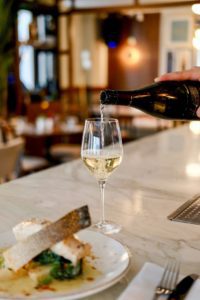
Sparkling wines are not reserved solely for aperitifs. They can accompany a wide variety of dishes :
- Brut Champagne : oysters, sushi, aged cheeses
- Prosecco : antipasti, fruit salads
- Cava : tapas, Iberian ham
- Crémant : fish, poultry in sauce
- Sweet sparkling wines (Asti, Moscato d’Asti) : desserts, light pastries
Sparkling wines offer a surprising diversity and adapt to many occasions. Their freshness and effervescence make them festive wines, but also true gastronomic companions.
Special wines: natural, fortified, and macerated
These are atypical wines made using unique production methods.

Beyond red, white, rosé, and sparkling wines, there is a category of so-called “special wines”, often produced using particular methods that shape their flavor and structure. Among them are natural wines, fortified wines, and orange (macerated) wines, each with its own characteristics and traditions.
Natural and biodynamic wines: a return to the origins
Natural wines are made with minimal intervention and without additives. Unlike conventional wines, very little or no sulfites are added during vinification.
- Natural wine : produced with indigenous yeasts, no chemical inputs, and minimal filtration. It can present more “raw” aromas and sometimes a slight natural effervescence.
- Biodynamic wine : follows the principles of biodynamic agriculture (lunar influences, natural treatments in the vineyard). It respects a balance between nature and winemaking.
These wines are often appreciated for their authenticity and pure expression of the terroir but can be more sensitive to oxidation.
Fortified wines: intense flavors and long shelf life
Fortified (or “muted”) wines are strengthened with added alcohol (often brandy) to halt fermentation or increase their alcohol content. This technique produces more powerful wines, often sweet or oxidative.
Key fortified wines include :
- Port (Portugal) : a fortified wine with aromas of dark fruits, chocolate, and spices. Available in red (Tawny, Ruby) and white versions.
- Sherry (Spain) : a wine with multiple styles, from very dry (Fino, Manzanilla) to very sweet (Pedro Ximénez), with notes of nuts, caramel, and dried fruits.
- Madeira (Portugal) : aged under heat, developing roasted, candied fruit, and spice notes. Can be dry or sweet.
- Marsala (Italy) : often used in cooking, but also available for tasting, with notes of apricot, almond, and vanilla. These wines are prized for their aromatic richness and exceptional longevity, sometimes lasting decades after opening.
Orange wines : a rediscovered tradition
Orange wines, also called maceration wines, are made from white grapes vinified like reds. Unlike classic white wines, the juice ferments in contact with the skins for several days or even months, giving it an ambercolor and an unusual tannic structure.
Characteristics :
- Aromas of dried fruits, honey, spices, and sometimes black tea.
- Richer texture and sometimes slight oxidation.
- Pairs well with spicy dishes, cheese, or white meats.
This ancestral method, practiced notably in Georgia, Italy, and Slovenia, has seen renewed interest among natural wine enthusiasts.
Why are these wines so special ?
These special wines do not conform to traditional standards and offer unique tasting experiences. Whether through their production methods, aromatic intensity, or aging potential, they are often cherished by enthusiasts seeking discovery and diversity.


Leave a Reply